Thinking of a Camera Upgrade in 2026? Film Cameras Worth Considering.
Film photography continues its quiet resurgence in 2026. More photographers are returning to analog for its texture, intentionality, and the joy of working with physical materials. Whether you are buying your first serious film camera or upgrading, the choices can feel overwhelming, especially with fluctuating prices and a fast-moving secondhand market. This guide breaks down the best film cameras to consider in 2026 across different formats and shooting styles. Clear and practical.
Start Here: What Kind of Film Photographer Are You?
Before hunting for a specific model, think about your workflow.
Do you want portability for travel and street photography?
Do you want precision and control for portraits or landscapes?
Do you want to experiment with creative styles?
Film cameras fall into a few distinct personalities. Once you know the type of shooter you are, choosing a camera becomes much easier.
Best Film Cameras to Consider in 2026
Rangefinder Cameras
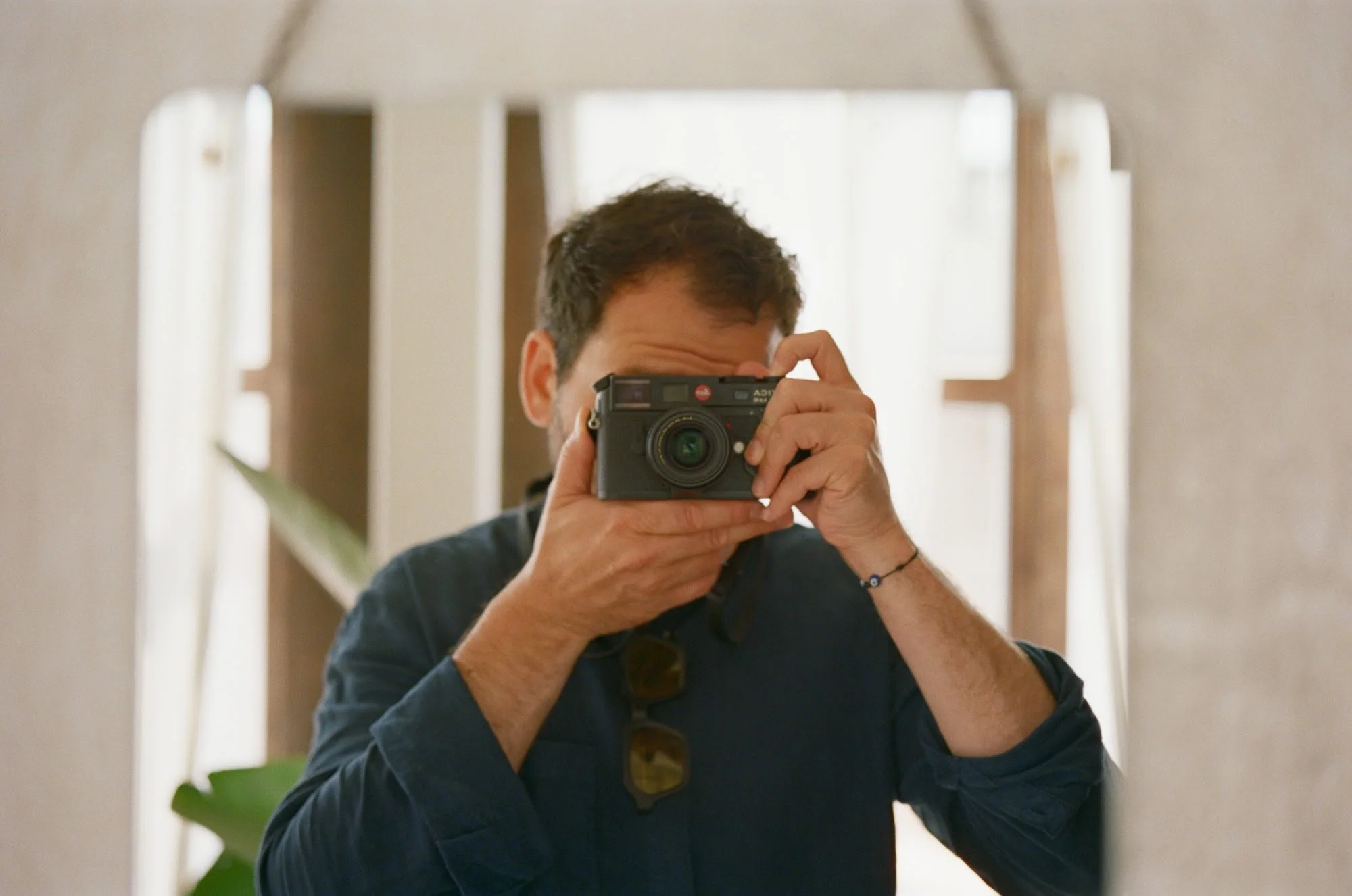
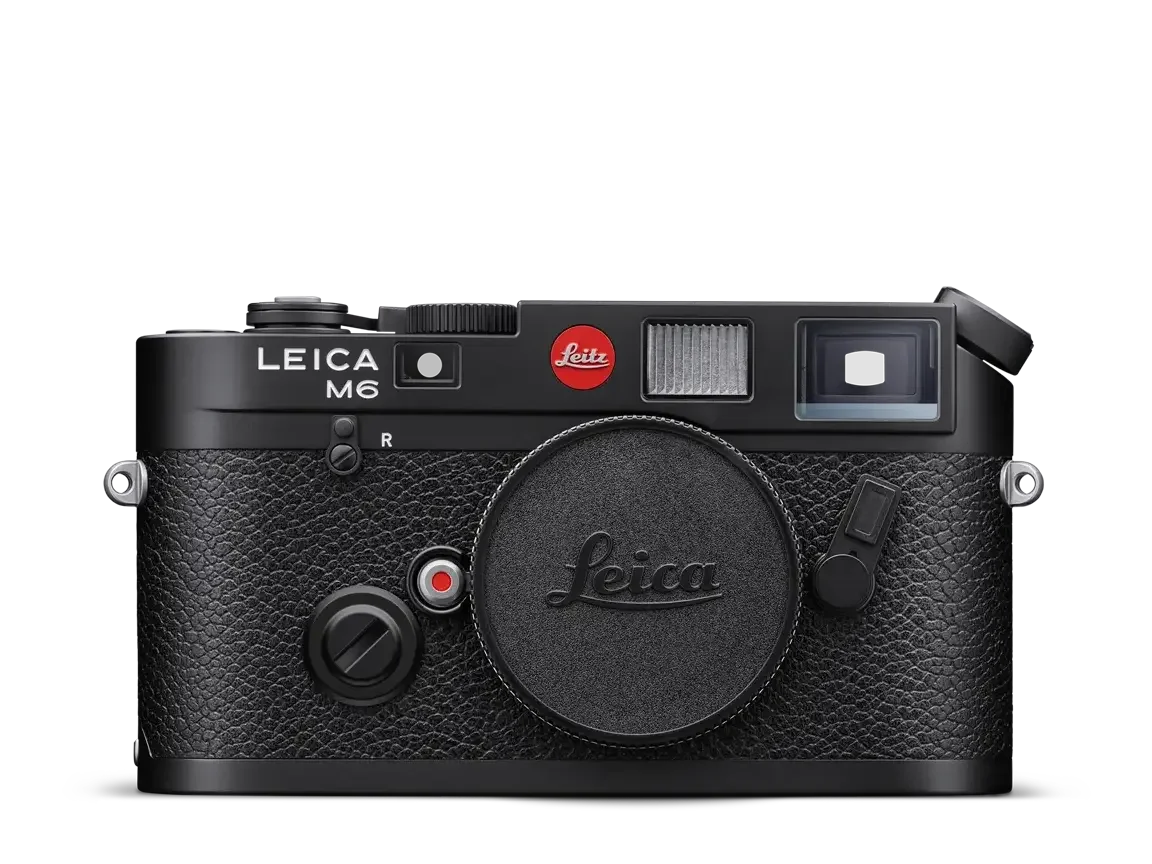
Leica M6
Best for street photography, travel, and minimal gear setups. The M6 remains the most intuitive mechanical rangefinder for 35mm shooters. Compact, quiet, and paired with exceptional lenses, it rewards long-term practice and feels like an extension of your eye.
Contax G2
Best for fast, modern-feeling shooting with analog results. Autofocus, motor drive, titanium build, and sharp Zeiss lenses make it ideal for photographers who want the rangefinder experience without going fully manual. Perfect for travel and documentary work.
Minolta CLE
Best for compact M-mount shooting and everyday carry. Tiny, responsive, and compatible with M-mount lenses, the CLE offers Leica-like shooting without the weight or price.
35 Millimeter SLR Cameras
Nikon F100
Best for all-around 35mm shooting, flexibility, and portraits. Fast autofocus, excellent metering, and access to Nikon’s lens ecosystem make it ideal for travel, portrait work, and mixed assignments.
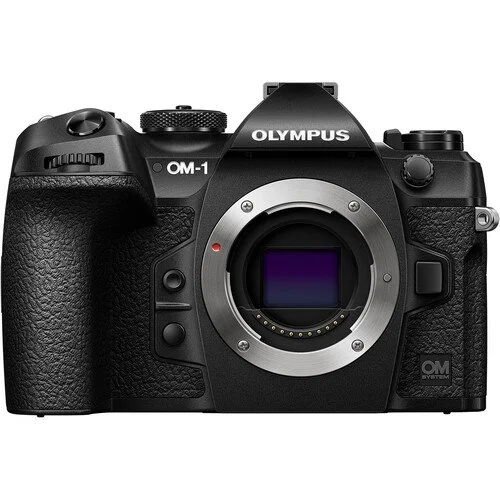
Olympus OM-1
Best for learning film, lightweight setups, and everyday shooting. Fully mechanical and beautifully designed, the OM-1 produces crisp, classic results and is a favorite among beginners and experienced photographers alike.
Medium Format Cameras
Mamiya RB67
Best for studio portraits, fine art, and controlled environments. Large 6x7 negatives and a rotating back make it perfect for slow, intentional photography with rich tonality and detail.
Hasselblad 500C/M
Best for portraits, editorial work, and the iconic medium-format look. Modular and precise, it produces the clean elegance Hasselblad is known for and shines in studio, portrait, and landscape photography.
Pentax 645
Best for medium format with speed and convenience. Ergonomic, reliable, and more portable than traditional modular systems, it is a strong choice for photographers wanting larger negatives without slowing down their workflow.
Creative and Entry-Level Options
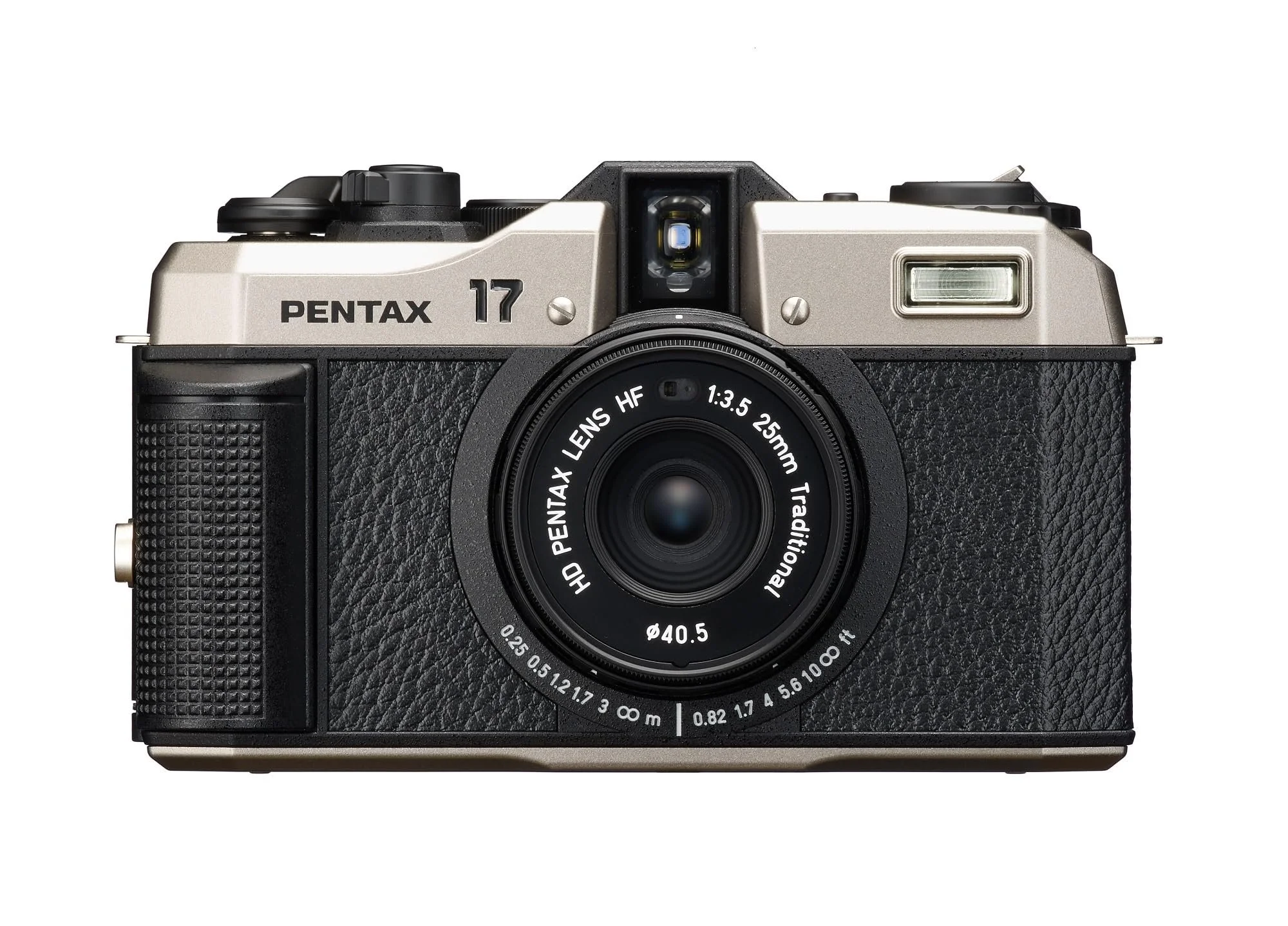
Pentax 17
Best for newcomers, casual shooters, and travel. A modern half-frame camera that doubles your frames per roll and offers an accessible way to explore film photography.
Holga 120N
Best for artists, experimental shooters, and lo-fi looks. Dreamy, imperfect, and vignette frames make it perfect for creative projects or a playful second camera.
Which Camera Should You Choose?
Street photography: Leica M6, Minolta CLE, Contax G2
All-purpose 35mm: Nikon F100, Olympus OM-1
Portraits and fine art: Mamiya RB67, Hasselblad 500C/M
Medium format beginners: Pentax 645
Playful or experimental shooting: Pentax 17, Holga 120N
Final Thoughts
Upgrading your film camera in 2026 is about more than gear. It is about choosing the experience that matches your style. Whether you prefer the quiet precision of a rangefinder, the versatility of an SLR, or the richness of medium format, the right camera will make you want to take it everywhere and shoot more often.
Not sure about your choice? Talk to an expert and schedule a call here.